
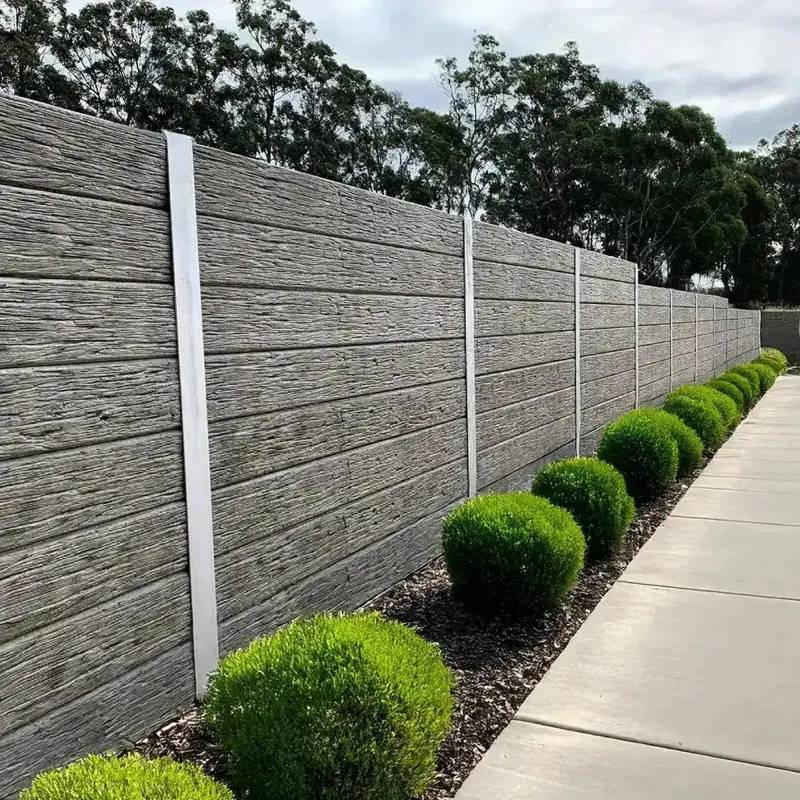
Rendered block suits modern homes and can match the house. Most problems with it start on the soil side.
Before rendering
- Waterproof the back of the wall and protect the membrane.
- Install drainage with a working outlet.
- Let the wall dry and shrink before finishing.
- Keep control joints continuous through the render.
Details that help
- A capping with an overhang to shed water.
- Garden beds kept below the finished edge.
- Splash protection where soil meets the face.
- Breathable coatings where recommended.
Colour
Very dark finishes get hot and show movement and salts more. Try a sample in full sun.
Typical defects
Hairline cracks, white salts, peeling paint and tide marks. Find the moisture source before repainting. See retaining wall waterproofing.
Looking after the finish
- Wash off soil splash before it stains.
- Keep sprinklers from hitting the face.
- Reseal small cracks after checking they are stable.
- Keep soil and mulch below the waterproofed height.
- Check capping joints every year or two.
Render or paint?
A coloured render hides small chips better, while paint is easier to change. Either can fail on a damp wall. Ask for coating systems that work together, because mixing unrelated primers, renders and paints makes problems harder to trace.
Repairing a stained wall
Work out the moisture path first. If water comes through the wall, new paint may look good for one season and then peel in the same place. If it comes from sprinklers or a missing capping overhang, the fix can be simple. A careful diagnosis costs less than repainting twice.
Get your free retaining wall quote
Talk directly with Constantine, the builder. Free site assessment and an itemised quote within 24 hours.
Request Free QuotationFrequently Asked Questions
Can an old block wall be rendered?
Yes, if it is stable, dry and sound. Movement and damp need fixing first.
Why is there white powder on it?
It is usually salts carried by moisture through the wall.
Do I need control joints?
Most longer walls do. Render must not bridge them.