
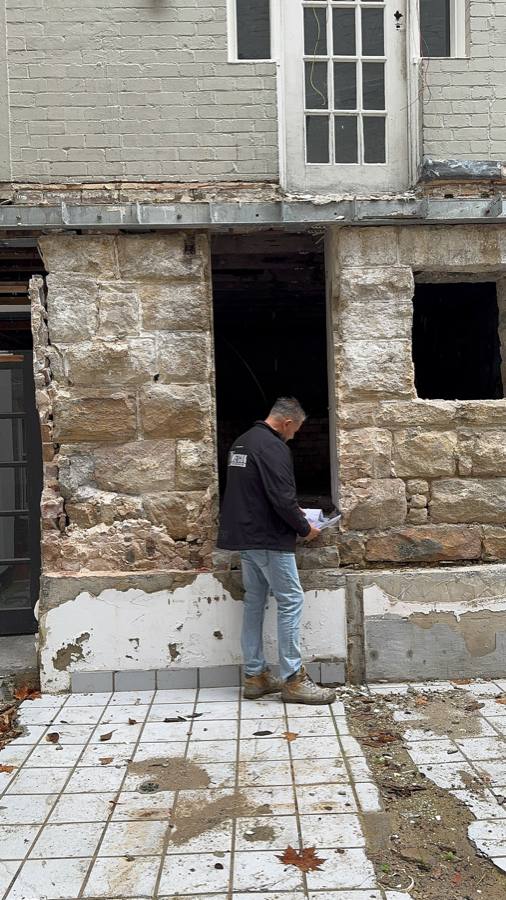
Many Sydney homes have retaining walls built decades ago: rotting timber sleepers, cracked brick walls, or old block walls leaning toward the house. At some point repair stops making sense.
Repair or replace?
Repair can work for a local problem: a few rotten sleepers, a blocked drain or a small section of movement. Replacement is usually better when:
- The wall is leaning or bulging along much of its length.
- Timber is rotting throughout.
- There is no drainage and it cannot be added.
- The footings have failed.
- The wall is unsafe or close to a house, driveway or boundary.
See fixing a leaning retaining wall.
The replacement process
- Assessment of the wall, soil, drainage and what sits above it.
- Approvals and engineering where the wall is tall or loaded. See council approval.
- Temporary support of the soil where needed.
- Demolition and disposal of the old wall, including treated timber.
- New footings, wall and drainage.
- Backfill, compaction and landscaping.
Replacement options
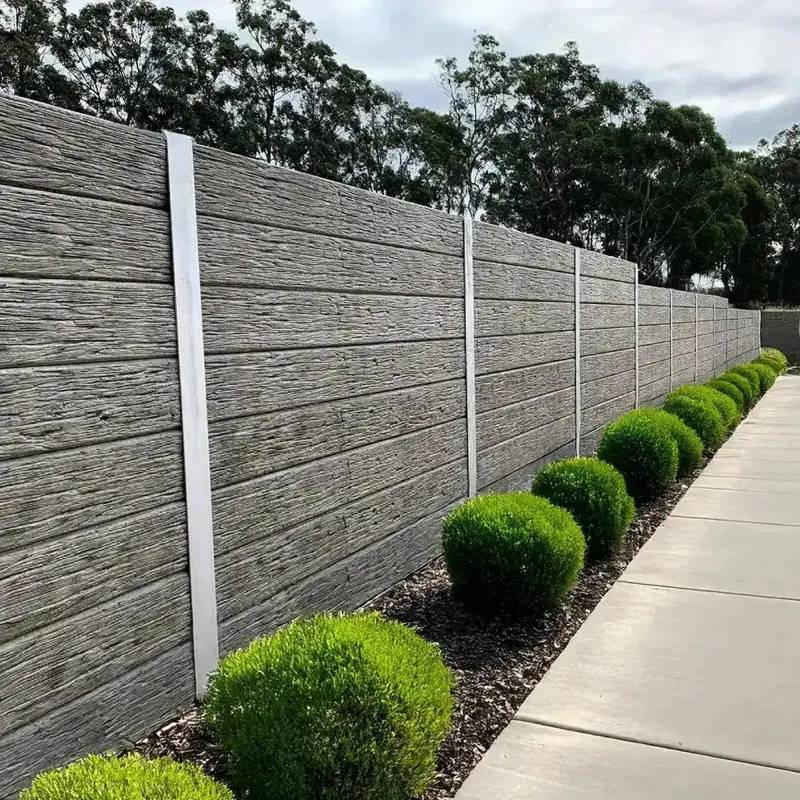
Most old timber walls are replaced with concrete sleepers, which fit similar footprints and last much longer. Sandstone, block and gabion walls are also common.
What affects the cost
- Demolition and disposal of the old wall.
- Access for machinery.
- Height, length and engineering.
- Drainage and stormwater connection.
- Material choice. See retaining wall costs.
Boundary walls
Walls on boundaries often involve neighbours. See who pays for a boundary retaining wall.
Get your free retaining wall quote
Talk directly with Constantine, the builder. Free site assessment and an itemised quote within 24 hours.
Request Free QuotationFrequently Asked Questions
When should a retaining wall be replaced instead of repaired?
When it is leaning along much of its length, rotting throughout, has failed footings, or has no drainage that can be added.
What is the best replacement for an old timber retaining wall?
Concrete sleepers are the most common replacement, fitting a similar footprint and lasting much longer.
Does replacing a retaining wall need council approval?
It depends on height, location and loads. Like-for-like low walls are often exempt, but taller walls may need a CDC or DA.