
If you are planning a retaining wall in Sydney, the first question on your mind is almost certainly what it will cost. The honest answer is that it depends on the material, the height, the length of the wall and your site conditions. But after building retaining walls across Sydney for over 40 years, we can give you a realistic range that reflects what homeowners are actually paying in 2026.
This guide breaks down retaining wall costs per linear metre for every common material, explains what drives the price up or down, and gives you a clear picture of what to budget for your project.
Retaining Wall Cost Per Metre in Sydney (2026)
The table below shows the installed cost per linear metre for the four most common retaining wall types in Sydney. These figures include materials, labour, basic excavation and drainage. They assume a standard wall height of around 1 metre on a site with reasonable access.
| Wall Type | Cost Per Linear Metre | Best For |
|---|---|---|
| Timber Sleeper | $230 to $520 | Gardens, low walls, budget projects |
| Concrete Sleeper | $290 to $690 | Most residential and civil projects |
| Sandstone | $400 to $805 | Heritage areas, premium finishes |
| Gabion | $350 to $750 | Drainage-heavy sites, modern look |
Quick estimate: A typical 10-metre concrete sleeper retaining wall at 1 metre high in Sydney costs between $2,900 and $6,900 fully installed in 2026. Most homeowners pay around $4,500 to $5,500 for a standard residential job with good site access.
What Affects the Cost of a Retaining Wall?
Two retaining walls of the same length can vary in price by thousands of dollars. Here are the factors that move the number the most.
Wall Height
Height is the single biggest cost driver. A wall under 600mm is relatively straightforward. Once you go above 1 metre, the engineering requirements increase significantly. Walls over 1.5 metres in NSW almost always need structural engineering certification, which adds $575 to $2,300 to the project. The wall itself also needs heavier posts, deeper footings and more reinforcement as the height increases, so material and labour costs rise together.
Site Access
If a bobcat or excavator can drive straight to the wall location, costs stay lower. If your site has narrow side access, steep slopes or no vehicle entry at all, everything takes longer. Materials need to be carried in by hand or moved with a smaller machine. On difficult access sites, expect to add 15 to 30 percent to the base cost.
Soil Conditions
Sandy soil is easy to dig and drain. Clay holds water and puts more pressure on the wall. Rock requires breaking or cutting before any footings can go in. If your site has reactive clay or high water tables, the wall design needs to account for that, which adds cost to both the engineering and the construction.
Drainage Requirements
Every retaining wall needs drainage behind it. This is non-negotiable. Poor drainage is the number one reason retaining walls fail. A standard agricultural drain with gravel backfill is included in our pricing. But if your site has significant water runoff, underground springs or clay soils that hold moisture, additional drainage work may be needed. This can add $30 to $80 per linear metre.
Engineering and Council Fees
In NSW, retaining walls over 600mm generally need some form of approval. Walls over 1 metre almost always require a Development Application or Complying Development Certificate, along with structural engineering drawings. Budget for the following on top of the wall itself:
- Structural engineering: $575 to $2,300 depending on complexity
- Council DA fees: $300 to $1,200 depending on the council
- Complying Development Certificate: $1,000 to $2,500
- Geotechnical report (if required): $1,500 to $3,500
We handle the full approval process for our clients, including lodging applications and coordinating with engineers. You do not need to deal with council directly.
Cost Breakdown by Material
Timber Sleeper Retaining Walls ($230 to $520 per metre)
Timber is the most affordable retaining wall option and works well for garden beds, low terracing and landscape features. We use treated pine or hardwood, both rated for in-ground contact. Timber walls are quicker to build than concrete or stone, which keeps labour costs down.
The trade-off is lifespan. A well-built timber retaining wall will last 15 to 25 years depending on the timber species and how well it drains. Hardwood lasts longer than pine but costs more. Timber is not suitable for walls over 1.2 metres without significant engineering.
Concrete Sleeper Retaining Walls ($290 to $690 per metre)
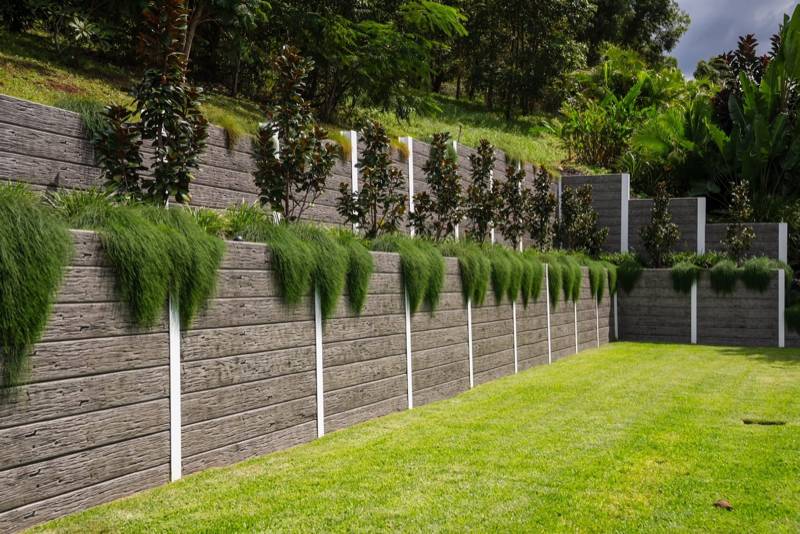
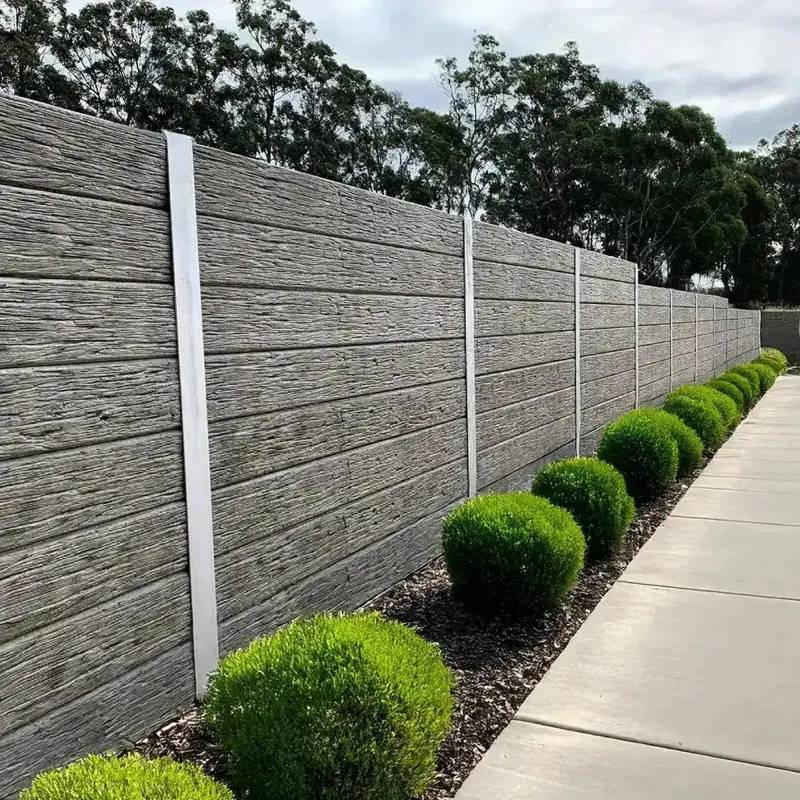
Concrete sleeper is the most popular retaining wall type in Sydney and for good reason. It is strong, durable, termite-proof and available in a wide range of finishes from smooth modern grey to timber-look textures. A well-built concrete sleeper wall will last 50 years or more with minimal maintenance.
The cost varies depending on the sleeper profile, height and whether galvanised or painted steel posts are used. For walls over 1 metre, concrete sleeper is our most recommended option because it handles ground pressure extremely well and meets all engineering requirements.
Sandstone Retaining Walls ($400 to $805 per metre)
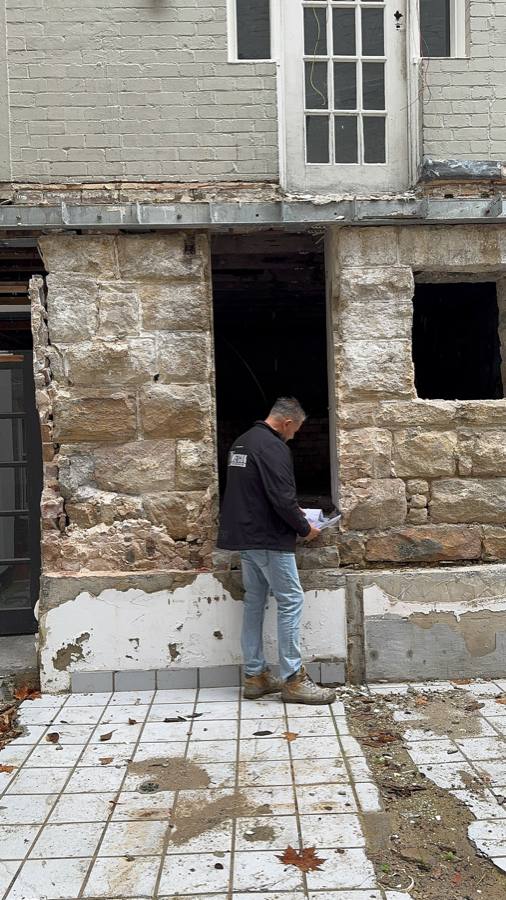
Sandstone is the premium choice and the one most associated with Sydney. It looks spectacular, lasts for generations and adds genuine value to a property. We work with sawn, split-face and random rubble sandstone depending on the look you are after.
The higher cost reflects the material itself and the skill required to lay it properly. Sandstone is heavier than concrete sleepers, so the footings and structural requirements are more substantial. It is particularly popular in the Northern Beaches, North Shore and Eastern Suburbs where heritage character matters.
Gabion Retaining Walls ($350 to $750 per metre)
Gabion walls use steel mesh cages filled with natural stone. They are strong, permeable and excellent for sites with drainage challenges. Water passes straight through a gabion wall rather than building up behind it, which makes them ideal for sloping blocks with high water tables.
Gabion suits both modern residential and civil applications. The cost depends on the cage size, the type of fill stone and the height of the wall. They are popular in Western Sydney and the Hills District where sites often have reactive clay soils.
Real Project Examples
Here are three real projects we completed in Sydney to give you a sense of what a finished retaining wall actually costs, including all labour, materials, engineering and drainage.
| Project | Specs | Total Cost |
|---|---|---|
| Timber wall, Northern Beaches | 8m long, 800mm high, treated pine | $3,200 |
| Concrete sleeper, Inner West | 12m long, 1.2m high, smooth grey | $7,800 |
| Sandstone, North Shore | 15m long, 1m high, sawn blocks | $11,400 |
How to Get an Accurate Quote
Online cost calculators give you a ballpark, but every site is different. The only way to get an accurate price is to have a builder inspect your site in person. At METCON, we provide a free site assessment where Constantine, the builder, visits your property, discusses your requirements, checks the soil, access and slope, and gives you expert advice on the spot.
Within 24 hours of the site visit, you will receive a detailed, itemised written quotation with a full breakdown of materials, labour, engineering and any council fees. There is no obligation and no pressure. If you decide to go ahead, we handle everything from council approval through to final certification.
Get your free retaining wall quote
Call Constantine directly or fill out the form. We will call you back today.
Request Free QuotationFrequently Asked Questions About Retaining Wall Costs
Do I need council approval for a retaining wall in Sydney?
In NSW, retaining walls under 600mm are generally exempt from approval. Walls between 600mm and 1 metre may need a Complying Development Certificate depending on your local council. Walls over 1 metre almost always require a Development Application, structural engineering drawings and potentially a geotechnical report. We handle the full approval process for every project.
Is it cheaper to build a retaining wall yourself?
For a small garden wall under 600mm, a handy homeowner can save money by doing it themselves. But for any wall that needs engineering or council approval, you need a licensed builder. Incorrectly built retaining walls can fail, cause property damage and create legal liability. The cost of replacing a failed wall is always more than building it properly the first time.
How long does a retaining wall last?
Timber sleeper walls last 15 to 25 years. Concrete sleeper walls last 50 years or more. Sandstone and gabion walls can last well over 100 years with proper drainage and construction. The key to longevity is correct drainage behind the wall and using the right materials for your soil conditions.
Can I claim a retaining wall on insurance?
Most home insurance policies do not cover the cost of building a new retaining wall. However, if an existing retaining wall is damaged by a covered event such as storm, flood or subsidence, your insurer may cover the repair or replacement. Check your policy for specific exclusions.