
A wall that is simple on an open block can be slow in a yard reached by a narrow side path.
Measure these
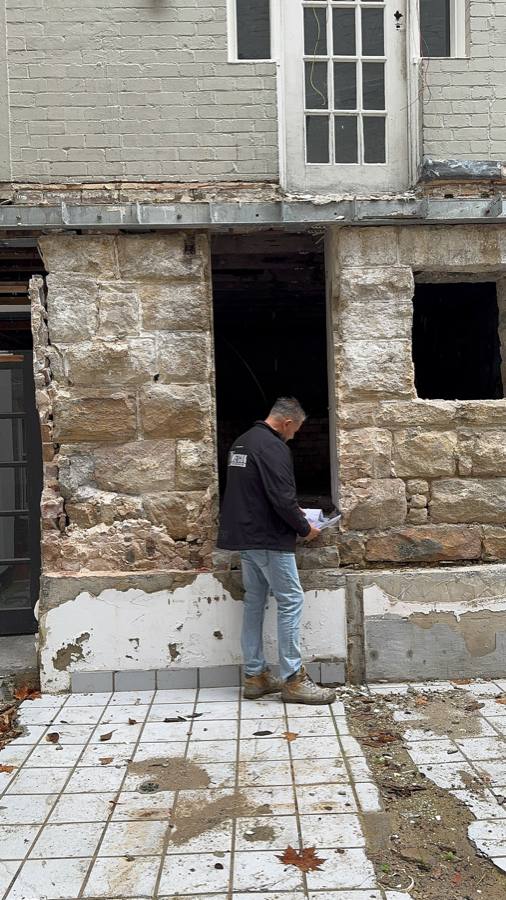
- Narrowest width, including meters and air conditioners.
- Height under eaves and carports.
- Steps, slopes and turning space.
- Where a truck or bin can stop.
Wall types to think about
- Smaller segmental blocks can be carried.
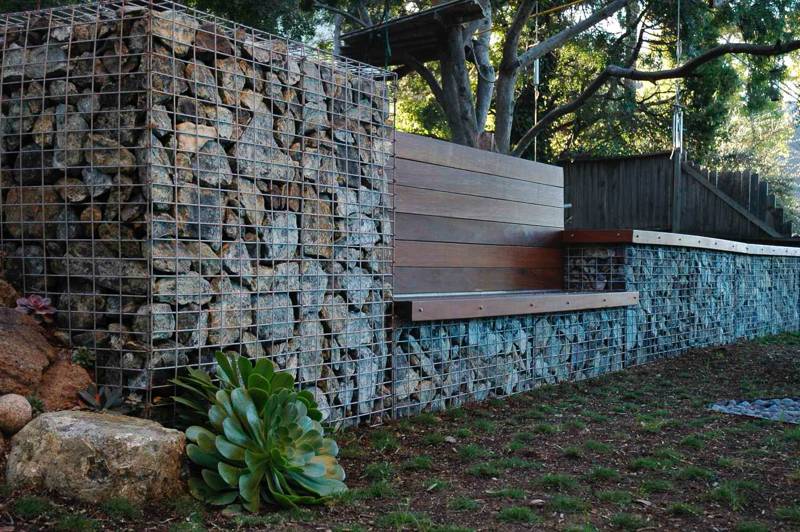
- Gabions can be filled on site.
- Core filled block avoids very large pieces.
- Concrete sleepers are heavy but narrow.
- Large stone usually needs a machine or crane.
Spoil
Soil expands when dug. Plan where it will sit and how it leaves.
What to ask in a quote
Does it include small machines, hand digging, bins, pump hire, path protection and reinstatement? See comparing quotes.
Example of how access changes the choice
A large stone block may be efficient when a machine can drive to the wall. If it must be lifted over a house, the cost and risk can outweigh the stone itself. Smaller blocks take longer to lay, but they may make the whole job simpler.
Protect the path in
Cover tiles and steps, remove fragile gates and check whether paving can take a loaded machine. Photograph it first. Ask how spills will be cleaned and who reinstates damage.
Allow time
Small machines carry less. Hand carrying, pumping and double handling slow the job, so a tight access wall may take longer than one twice its length on an open site. Include this in the program, particularly if other trades are waiting for the level area.
Get your free retaining wall quote
Talk directly with Constantine, the builder. Free site assessment and an itemised quote within 24 hours.
Request Free QuotationFrequently Asked Questions
Can a wall be dug by hand?
A small one can. Larger work takes much longer and needs safe trench methods.
Can concrete be pumped?
Often yes, subject to truck position and hose route.
Can we use the neighbour's yard?
Only with written permission and agreed reinstatement.