
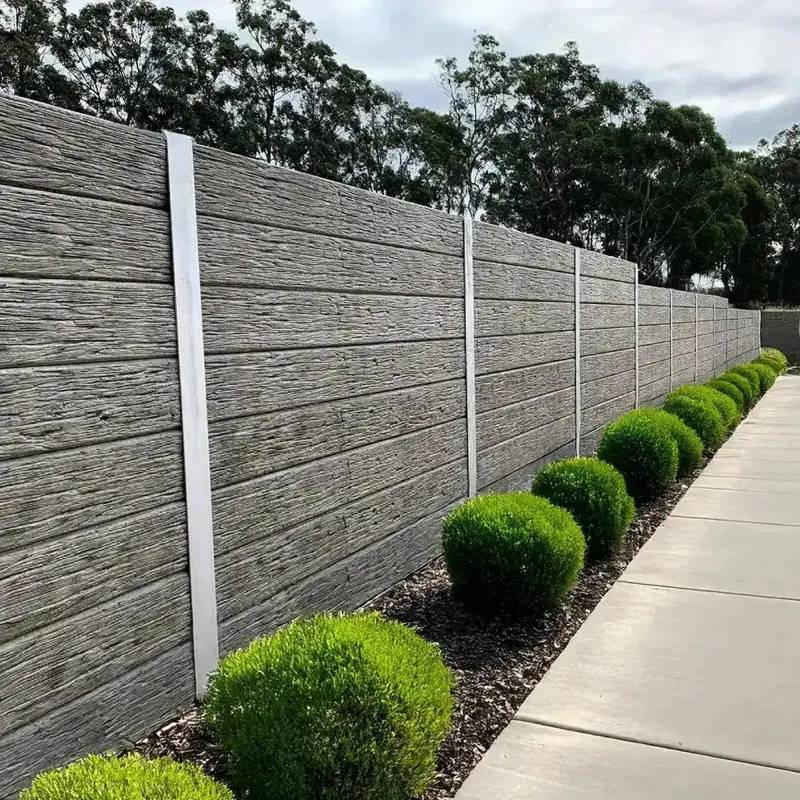
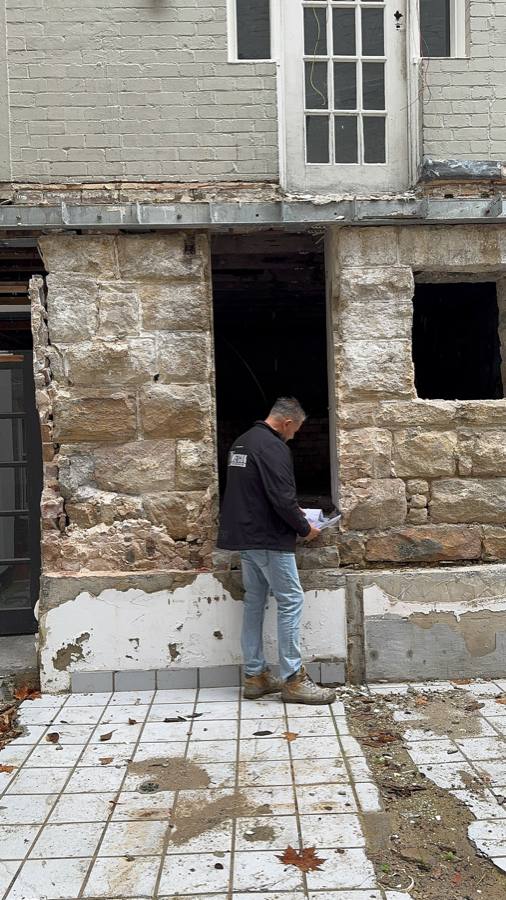
Weep holes let water pass through a solid wall, so pressure does not build up behind it.
Where they are used
They suit concrete, block, brick and stone walls. Sleeper walls have joints and gabions are open, but they still need proper drainage behind.
How they should work
- Gravel behind the wall carries water to the opening.
- Filter fabric keeps soil out of the gravel.
- The holes sit low enough to drain the backfill.
- Water exits where it will not cause damage or run across a path.
Size and spacing come from the design.
Why they block
- No filter fabric, so soil washes in.
- Render or paint over the opening.
- Garden beds raised above the outlet.
- Roots or insects in the hole.
Weep holes or ag pipe?
They do different jobs and are often used together. See ag pipe behind walls and drainage explained.
A quick check after rain
Go out a few hours after steady rain and look along the face:
- Are some openings running while others stay dry?
- Is the water clear or carrying soil?
- Is the ground along the top soggy?
- Is water coming through cracks instead of the holes?
One dry opening may mean nothing. A wall with wet joints, no flow from any hole and soft ground above may have blocked drainage.
Cleaning them
Clear loose leaves and soil from the mouth by hand. Pushing a rod deep into the hole can tear filter fabric or push gravel away, so stop if it meets resistance. High pressure water may do the same.
If they keep blocking
The filter behind has probably failed or was never there. The lasting fix is usually to open the area behind the wall in safe sections and rebuild the gravel and fabric, rather than cleaning the same holes every year.
Get your free retaining wall quote
Talk directly with Constantine, the builder. Free site assessment and an itemised quote within 24 hours.
Request Free QuotationFrequently Asked Questions
Is water from weep holes a bad sign?
No, clear water after rain means they work. Muddy water suggests soil is washing out.
Can I drill weep holes in an old wall?
Ask an engineer. Drilling can hit reinforcement, and may not help if there is no gravel behind.
Can weep holes discharge next door?
Do not direct concentrated water onto a neighbour. Plan a proper outlet.