
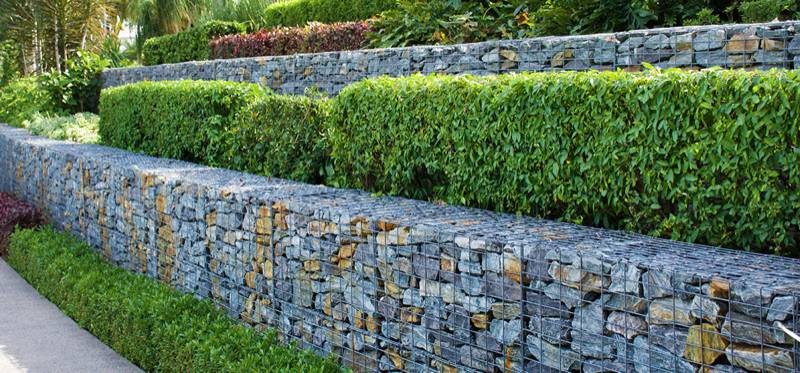
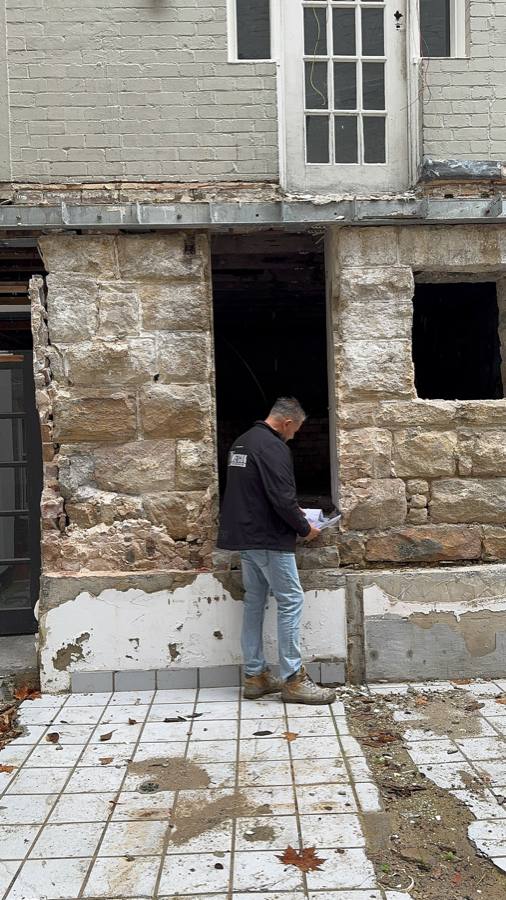
Retaining walls do not need much maintenance, but a quick check once or twice a year, especially after heavy rain, can add years to their life and catch problems early.
Yearly checklist
- Drainage outlets: is water coming out after rain? Clear blocked pipes and pits.
- Weep holes: clear soil, mulch and plants.
- Top of the wall: is surface water running away, not ponding?
- Line of the wall: sight along it for leaning or bulges.
- Posts: check steel posts for rust at ground level and timber posts for rot.
- Sleepers and blocks: look for cracked, rotting or displaced units.
- Cracks in concrete, render, block or mortar.
- Trees and roots close to the wall.
Everyday habits
- Keep sprinklers and downpipes from soaking the backfill.
- Do not pile soil, mulch or heavy items behind the wall.
- Do not park cars or add structures near the top unless designed for it.
Warning signs to act on
- A wall leaning further than last year.
- New cracks or bulges.
- Soil washing through gaps.
- Wet ground or seepage at the base.
- Soft, rotting timber or rusted posts.
Early repairs are usually far cheaper than a rebuild. See fixing a leaning wall and retaining wall replacement.
Get your free retaining wall quote
Talk directly with Constantine, the builder. Free site assessment and an itemised quote within 24 hours.
Request Free QuotationFrequently Asked Questions
How often should a retaining wall be inspected?
At least once a year and after major storms or long wet periods.
What maintenance does a retaining wall need?
Mostly keeping drains and weep holes clear, managing water at the top, and checking for leaning, cracks, rot and rust.
When should I call a builder about my retaining wall?
If it is leaning further, cracking, bulging, letting soil through or seeping water at the base.