
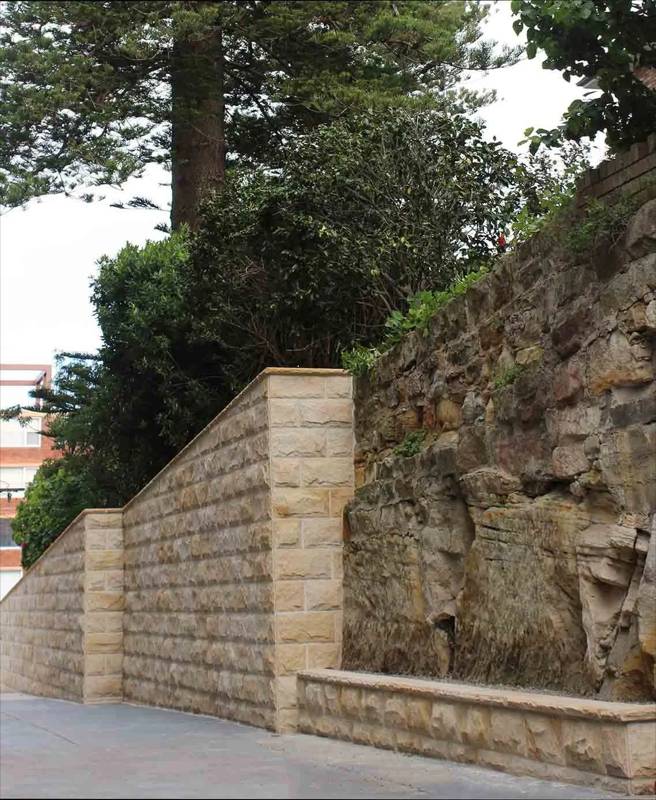
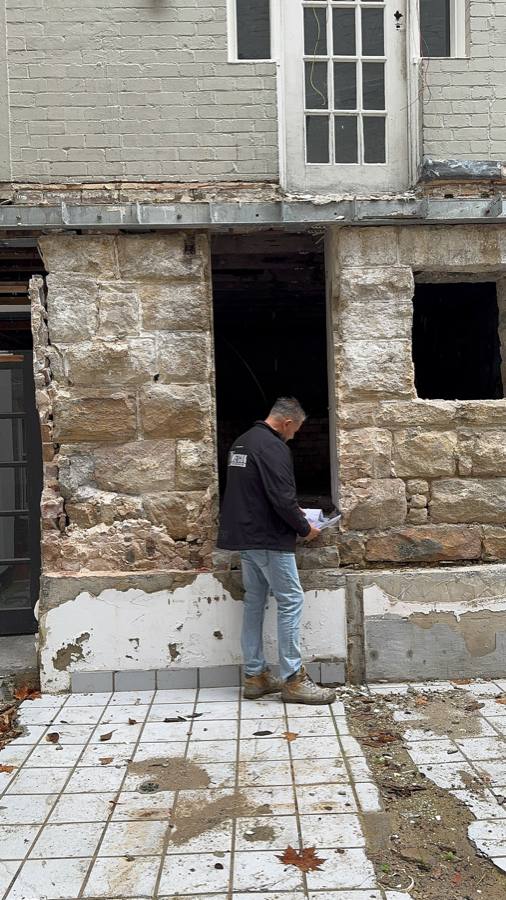
One of the most common questions we hear from Sydney homeowners is whether their retaining wall needs council approval. The short answer is that it depends on the height, the location and your local council's rules. Get it wrong, and you could face fines, a demolition order or serious problems when you sell your property.
This guide explains exactly when council approval is required for a retaining wall in NSW, what type of approval you need, and how to navigate the process without the headache.
When You Do Not Need Approval (Exempt Development)
Under the NSW State Environmental Planning Policy (Exempt and Complying Development Codes) 2008, some retaining walls qualify as exempt development. This means you do not need any council approval or certification to build them.
To qualify as exempt, your retaining wall must meet all of the following conditions:
- Maximum height of 600mm above finished ground level, measured from the base of the wall to the top
- Not located within 1 metre of a property boundary, unless it replaces an existing wall on the same alignment
- Does not redirect stormwater onto a neighbouring property
- Not built over or near a sewer main, stormwater pipe or utility easement
- Does not support a swimming pool, driveway, building or any other structure
- Not located on bushfire-prone land, flood control land or in a heritage conservation area
Important: All six conditions must be met. If your wall is only 400mm high but sits within 1 metre of a boundary, it may not qualify as exempt development. Always check before you start building.
Walls Between 600mm and 1 Metre
Retaining walls between 600mm and 1 metre in height fall into a grey area. Some councils treat them as exempt if they meet all the conditions above except the height limit. Others require a Complying Development Certificate (CDC) at this height.
The rules vary depending on your local government area. For example, a wall at 800mm in one council might be exempt, while the same wall in the next council requires a CDC. This is one of the reasons we always recommend checking with your specific council or a registered certifier before starting work.
Walls Over 1 Metre (Almost Always Need Approval)
Once your retaining wall exceeds 1 metre in height, you will almost certainly need formal approval. There are two pathways available in NSW:
1. Complying Development Certificate (CDC)
A CDC is a fast-tracked approval issued by a registered private certifier. It is generally quicker and cheaper than a Development Application. Your wall may qualify for a CDC if it meets specific criteria set out in the Codes SEPP, including setback distances, height limits and zoning requirements.
A typical CDC for a retaining wall costs between $1,000 and $2,500 and takes 10 to 15 business days.
2. Development Application (DA)
If your wall does not qualify for a CDC, you will need to lodge a Development Application with your local council. This is a longer process that involves a formal assessment, and in some cases, neighbour notification.
A DA typically costs $300 to $1,200 in council fees and takes 30 to 60 days to process, though complex applications can take longer. You will also need to supply structural engineering drawings and potentially a geotechnical report.
| Wall Height | Approval Required | Typical Cost |
|---|---|---|
| Under 600mm | Usually exempt (if all conditions met) | Nil |
| 600mm to 1 metre | Varies by council (exempt or CDC) | $0 to $2,500 |
| Over 1 metre | CDC or DA required | $1,000 to $3,500 |
| Over 1.5 metres | DA likely required, plus engineering | $2,000 to $6,000 |
Additional Triggers That Require Approval
Even if your wall is under 600mm, certain site conditions can trigger the need for council approval. Be aware of these common situations:
Boundary Walls
A retaining wall built on or very close to a property boundary raises additional concerns around drainage, structural loading and neighbour impact. Most councils have specific rules for boundary retaining walls, and many require approval regardless of height.
Walls Supporting Structures
If your retaining wall supports a driveway, a building, a swimming pool or any other structure, it is classified as a structural element and will need engineering certification at a minimum. The exempt development rules specifically exclude walls that support structures.
Heritage and Conservation Areas
If your property is in a heritage conservation area, heritage-listed, or near a heritage item, you will likely need a DA for any retaining wall, regardless of height. This applies to many properties in the Eastern Suburbs, North Shore and Inner West.
Bushfire and Flood-Prone Land
Properties on bushfire-prone or flood-prone land have additional planning controls. Retaining walls on these sites almost always require formal approval and may need additional reports from specialist consultants.
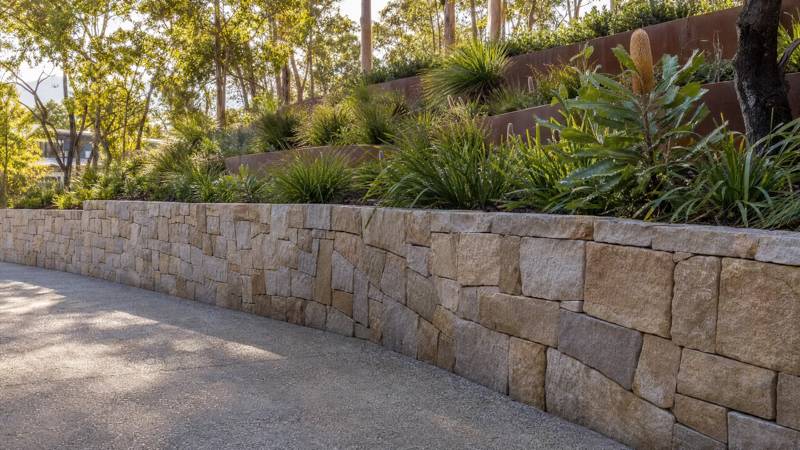
What Documents Do You Need?
If your retaining wall requires approval, you will typically need to provide the following documents:
- Site plan showing the wall location, dimensions and setbacks from boundaries
- Structural engineering drawings prepared by a registered structural engineer
- Drainage plan showing how water will be managed behind and around the wall
- Geotechnical report if the wall is over 1.5 metres or on reactive soil (not always required)
- Statement of Environmental Effects (for DA applications)
We coordinate all of this on behalf of our clients. You do not need to engage engineers or deal with council directly. We manage the entire approval process from start to finish.
What Happens If You Build Without Approval?
Building a retaining wall without the required approval is classified as illegal building work in NSW. The consequences can be serious:
- Council orders: Your council can issue a notice requiring you to demolish the wall or bring it into compliance. The cost of this falls entirely on the homeowner.
- Fines: Penalties for unauthorised building work in NSW can exceed $100,000 for individuals.
- Insurance issues: If an unapproved wall fails and causes damage to a neighbouring property, your insurance may not cover the claim.
- Sale complications: When you sell your property, a building inspection will flag any unapproved structures. Buyers can use this to negotiate the price down or walk away entirely.
Builder's advice: The cost of getting proper approval is always less than the cost of dealing with the consequences of not having it. A CDC or DA adds a few weeks to your timeline, but it protects you legally and financially for the life of the wall.
How We Handle Approvals at METCON
We manage the full approval process for every retaining wall project. Here is how it works:
- Free site assessment: Constantine visits your property, inspects the site and advises on the type of approval needed.
- Engineering: We engage a registered structural engineer to prepare the drawings and calculations.
- Application: We prepare and lodge the CDC or DA on your behalf, including all supporting documents.
- Construction: Once approved, we build the wall to the exact specifications in the engineering drawings.
- Certification: After construction, we arrange the final inspection and obtain the compliance certificate.
You receive a single, all-inclusive quote that covers materials, labour, engineering, council fees and certification. There are no hidden costs and no surprises.
Not sure if your wall needs approval?
Call Constantine for a free site assessment. We will tell you exactly what is required for your property.
Request Free QuotationFrequently Asked Questions
Can I get retrospective approval for an existing retaining wall?
In some cases, yes. You can apply for a Building Information Certificate (BIC) from your local council. This involves a council inspection and an assessment of whether the wall meets current standards. If the wall is structurally sound and meets the relevant requirements, the council may issue a BIC. If not, you may be required to modify or replace the wall.
Does my neighbour need to agree to a retaining wall on the boundary?
If the wall is entirely on your property, you do not need your neighbour's consent. However, if the wall is on a shared boundary, you may need to negotiate the cost and placement under the Dividing Fences Act 1991 (NSW). If your DA application triggers neighbour notification, your neighbour can make a submission to council, but this does not give them the right to block the project.
How long does council approval take?
A Complying Development Certificate typically takes 10 to 15 business days. A Development Application takes 30 to 60 days for a straightforward retaining wall, though complex applications or those requiring additional information can take longer. We advise clients to allow 6 to 8 weeks from lodgement to approval for a standard DA.